
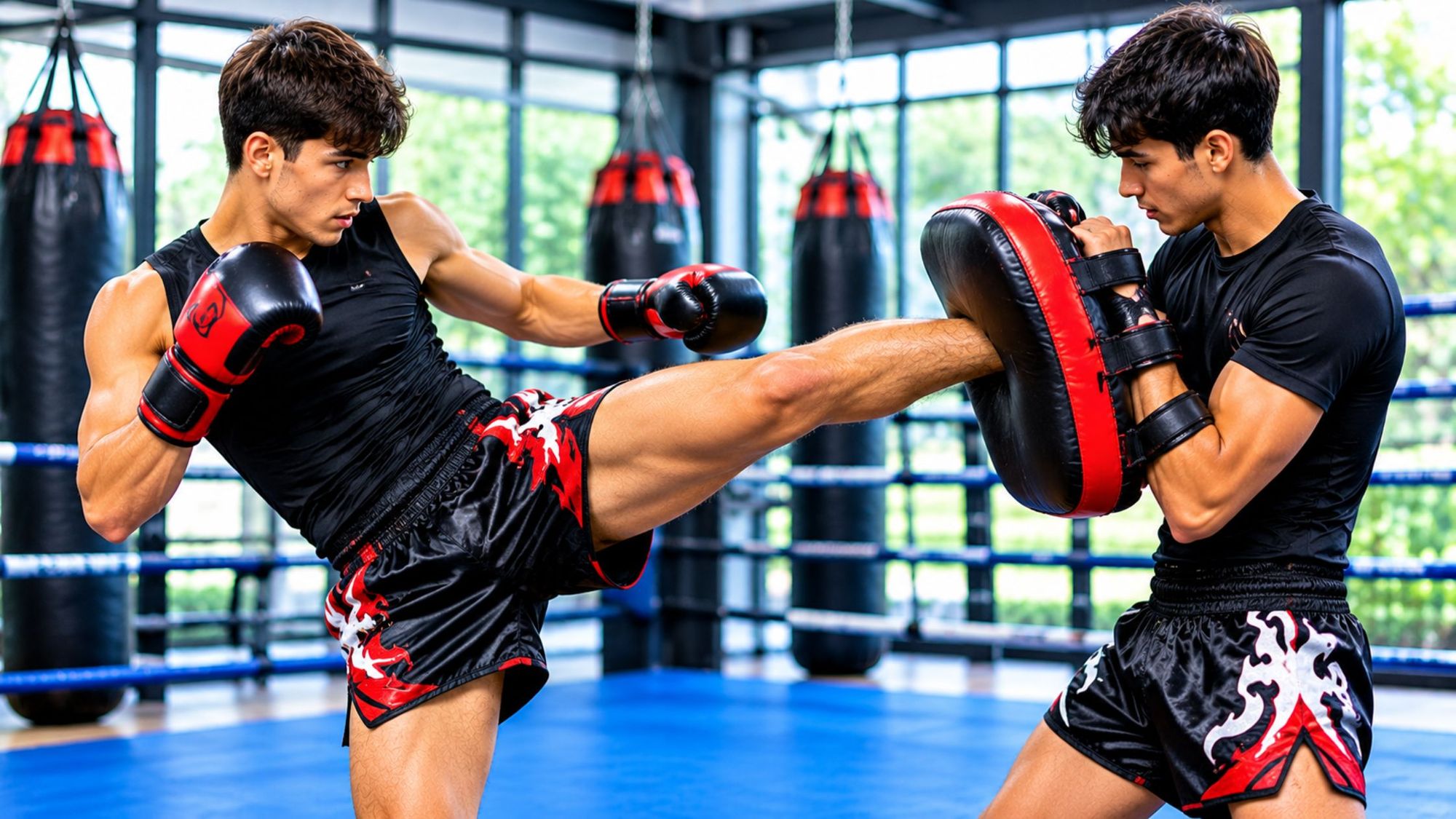
What if learning Thai boxing is not about hitting harder, but moving smarter? Many beginners want to punch fast and kick high right away. However, good coaches teach simple skills first. Thai Boxing drills for beginners help you learn balance, footwork, basic strikes, and ways to protect yourself.
You do not need special equipment or past experience to begin. Start slowly, listen to your coach, and practice safely. With time and effort, you can improve your skills, build fitness, and feel more confident with every session.
Why Should Beginners Start with the Basics?
Thai boxing, also called Muay Thai, is a martial art from Thailand. It uses punches, kicks, knee strikes, and elbow strikes. It also teaches balance, movement, timing, and defense. Thai Boxing drills for beginners help new learners practice these basic skills and build confidence step by step.
Beginners sometimes try to copy skilled fighters before learning the right way to move. This can lead to mistakes and injuries. Coaches suggest learning how to stand, move, and protect yourself first.
Start with short practice sessions. Focus on doing each move correctly instead of trying to learn everything at once. Small steps can help you become a better learner.
5 Essential Drills Every Beginner Should Learn
Simple exercises can help you improve balance, fitness, and body control. Warm up before training, move carefully, and stop if you feel pain or dizziness.
1. Stance and Guard Drill
Stand with your feet in a comfortable position. Bend your knees slightly and keep your hands up to protect your face. Relax your shoulders and look straight ahead.
Practice holding this position without losing your balance. A good stance helps you move safely and stay ready for your next move.
2. Basic Footwork Drill
Practice taking small steps forward, backward, and sideways. Try not to cross your feet. Keep your body balanced as you move.
Start slowly and focus on control. This drill helps you change direction without falling or losing your balance.
3. Shadowboxing Drill
Shadowboxing means practicing fighting moves without a partner or target. Try simple punches while taking small steps. Keep your hands up and your movements smooth.
You can practice in front of a mirror to check your posture. A coach can also watch you and help you correct mistakes.
4. Controlled Kicking Drill
Begin by learning the right position for a kick. Practice slowly and follow your coach's advice on balance and body movement.
Do not try to kick as hard as possible. Never kick walls, furniture, or other hard objects. Learn control before trying stronger kicks.
5. Basic Conditioning Drill
Exercises such as marching in place, bodyweight squats, and gentle skipping can help improve your fitness.
Start with a few repetitions and rest when needed. As your fitness improves, you can slowly increase the amount of exercise you do.
Common Mistakes Coaches Want You to Avoid
Even simple drills can become harder when you forget the basics. Watch out for these common mistakes:
- Moving too fast: Learn each move slowly before trying to speed up.
- Dropping your hands: Keep your hands raised to protect your face.
- Ignoring footwork: Good footwork helps you stay balanced and move safely.
- Skipping warm-ups: Prepare your body before starting exercise.
- Expecting quick results: Learning takes time, patience, and regular practice.
A good coach will help you improve instead of expecting you to be perfect. Ask questions whenever you do not understand a move.
How Often Should Beginners Practice?
For many healthy beginners, two or three short sessions each week can be a good starting point. Your training plan should match your fitness level and allow time for rest.
Each session can include a warm-up, basic drills, light exercise, and a cool-down. Rest between harder workouts so your body can recover.
You can record yourself practicing to check your movements. However, a video may not show every mistake. A qualified coach can give useful feedback and help you learn more difficult moves safely.
Final Thoughts
The best way to learn Thai boxing is to master simple skills before trying harder moves. Thai Boxing Drills can help you improve balance, fitness, and control when practiced safely. Start with basic movements, listen to your coach, and be patient with yourself.
Do not compare your skills with those of experienced fighters. Focus on learning something new each time you train. With regular practice and good guidance, you can build confidence, improve your technique, and enjoy your martial arts journey.